How Canadians Are Using Bitcoin to Pay for Everything from Online Shopping to Bitcoin Casinos: A 2026 Guide to Crypto Spending Habits
How Canadians Are Using Bitcoin to Pay for Everything from Online Shopping to Bitcoin Casinos: A 2026 Guide to Crypto Spending Habits
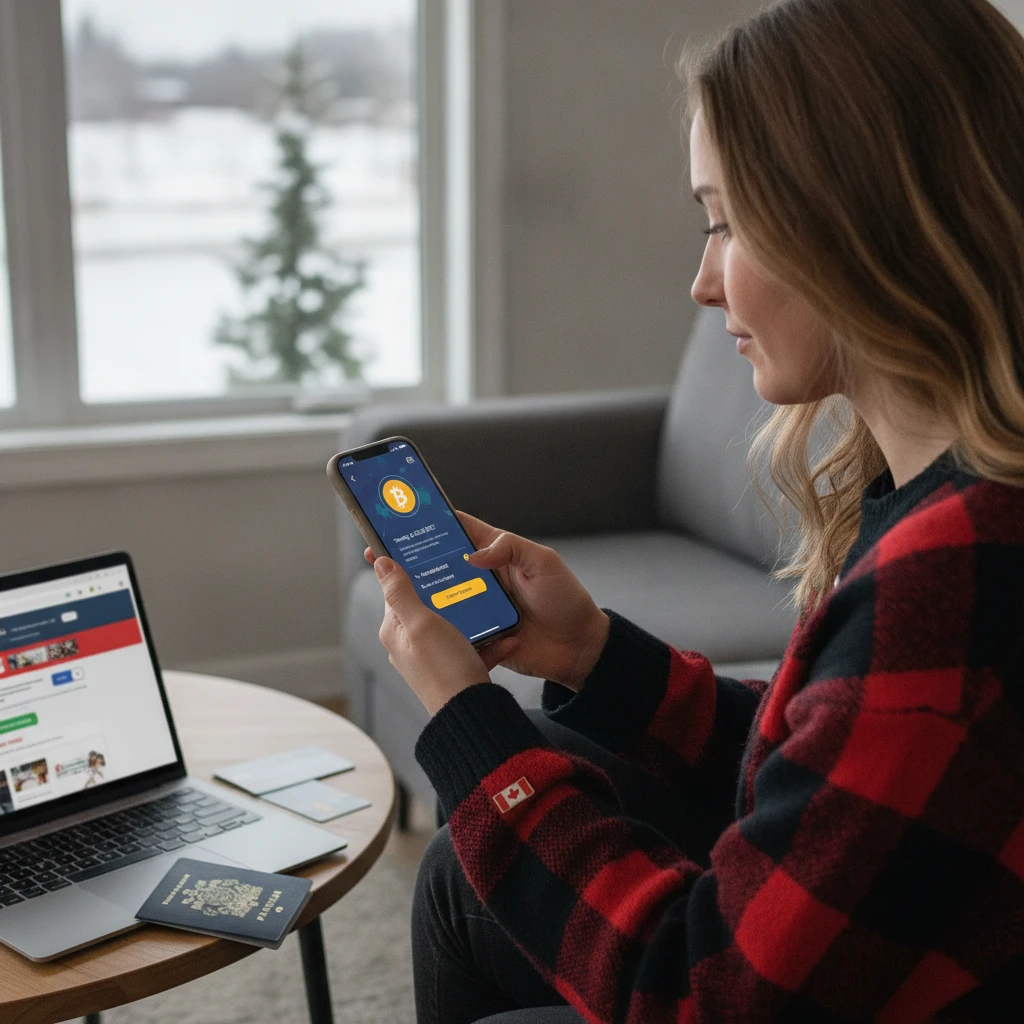
Something's shifted in how I see Bitcoin being used around me here in Canada, and honestly, it's hard to miss once you start paying attention. A few years back, most people I knew treated it strictly as an investment — something you bought, tucked away, and hoped the price would climb while you weren't looking. Not anymore. Now, in 2026, I'm watching friends pay for coffee subscriptions, book flights, and top up gaming accounts using crypto wallets on their phones without blinking an eye. The number of merchants, apps, and platforms accepting Bitcoin has exploded. It's genuinely changed how everyday transactions happen, and this guide walks through the real ways Canadians are spending their BTC today, from grocery runs to entertainment, including the growing niche of crypto-friendly online casinos.
Why Bitcoin Spending Is Gaining Traction in Canada
There's no single reason this shift happened. It's a mix of factors that all landed around the same time, almost like they conspired. Inflation worries pushed a lot of Canadians to look for alternatives to simply holding cash, and Bitcoin started feeling less like a gamble and more like a legitimate option for moving money. Wallet apps got dramatically easier to use too — you no longer need to understand private keys to send a payment, which removed a huge barrier for casual users who just want things to work.
The Lightning Network deserves credit here as well, maybe more than people give it. Transactions that used to take minutes and cost a few dollars in fees now settle in seconds for pennies. Fast. Really fast. That kind of speed makes Bitcoin actually usable for small daily purchases, not just big transfers between exchanges. On top of that, payment processors like BitPay and Coinbase Commerce have made it trivially easy for merchants to accept crypto without needing to understand blockchain tech themselves — they plug in the integration and let the backend handle conversions, and that's basically it.
The Role of Canadian Regulations and Consumer Protection
I think a big part of why people feel comfortable spending Bitcoin now comes down to Canada's regulatory approach, which gets less credit than it deserves. FINTRAC oversight means exchanges and payment processors operating here follow anti-money-laundering rules, and that gives users some baseline trust that platforms aren't fly-by-night operations set up in someone's basement. The CRA's clear-cut tax guidance on crypto — treating it as a commodity subject to capital gains — also means Canadians know roughly where they stand when they spend BTC. Tracking those gains is still a bit of a hassle, I won't pretend otherwise, but at least the rules themselves are predictable.
Everyday Bitcoin Purchases — From Groceries to Subscriptions
The everyday use cases are honestly the most interesting part of this trend to me. Shopify-integrated stores now routinely offer Bitcoin as a checkout option, so ordering anything from skincare products to electronics can be done entirely in crypto. Streaming subscriptions, VPN services, and software licenses are easy targets too — services like Bitrefill let you convert BTC into gift cards for Amazon, Uber, and dozens of other brands pretty much instantly.
What's surprised me more is seeing small Canadian businesses — local cafes, independent bookstores, even a dentist's office in my neighborhood — start accepting crypto at checkout. A dentist's office. Didn't see that coming. It's not mainstream yet, but it's no longer a novelty either, and that distinction matters more than people realize.
Using Bitcoin Debit Cards for Daily Transactions
Crypto debit cards have been the real bridge between 'holding Bitcoin' and actually spending it. Cards from Shakepay and Netcoins let you load BTC and spend it anywhere Visa or Mastercard is accepted, converting to CAD right at the point of sale. I've used one myself for groceries, and the experience feels no different from a regular debit card — except, technically, I'm spending an asset that might be worth more or less by next week. That part never quite stops feeling strange.
Bitcoin for Travel, Bills, and Big-Ticket Purchases
Travel is where Bitcoin spending gets genuinely practical, in my experience. Platforms like Travala let Canadians book flights and hotels directly with BTC, often at competitive rates compared to traditional booking sites. Beyond travel, crypto-to-fiat bridge services now let people pay utility bills — electricity, internet, even some municipal services — by converting BTC on the fly, which still feels a little futuristic every time I think about it.
Perhaps the most eyebrow-raising development is real estate. In a handful of provinces, I've heard of buyers using Bitcoin for down payments, with lawyers structuring the transaction to convert crypto to CAD before closing. It's still rare — I wouldn't call it common by any stretch — but it signals how far crypto spending has crept into serious financial territory.
The Rise of Bitcoin Entertainment — Online Gaming and Casinos

Entertainment is another area where crypto spending has taken off, particularly online gaming. Canadians drawn to digital entertainment are increasingly exploring crypto-based platforms for the speed and privacy they offer — deposits and withdrawals that clear in minutes instead of days, and no need to hand over sensitive banking details every single time you play. Provably fair gaming systems, which let players verify that game outcomes weren't manipulated, have also built a layer of trust that traditional online casinos sometimes just lack.
As part of this broader spending trend, many Canadians researching their options end up checking out bitcoin casinos, drawn by instant deposits, fast withdrawals, and the borderless nature of crypto transactions. It's less about chasing something exotic and more about applying the same spending habits people already use for shopping and bills to their entertainment budget. Same wallet, different purchase, same logic.
What to Look for in a Trustworthy Platform
- Proper licensing from a recognized gaming authority
- Transparent, provably fair game mechanics you can independently verify
- Fast, reliable withdrawal processing without excessive delays
- Support that's genuinely responsive to Canadian players and their questions
Tips for Spending Bitcoin Safely and Smartly
If you're going to spend crypto regularly, a few habits make life easier — and I learned most of these the slow way. First, keep records of every transaction — dates, CAD value at the time of spend, and purpose — because the CRA expects you to report capital gains or losses when you dispose of Bitcoin, and 'dispose' includes spending it. People forget that part constantly. Second, use a hardware wallet for anything beyond small amounts; keeping large sums on an exchange or hot wallet is asking for trouble, plain and simple.
I'd also suggest avoiding big purchases during periods of high volatility. If BTC is swinging 10% in a day, that $500 purchase could effectively cost you $550 or $450 depending on timing — so check real-time conversion rates before committing, every time, not just when you remember. Setting a monthly crypto spending budget, separate from your long-term holdings, helps keep things from getting out of hand too.
Common Mistakes Canadians Make When Spending Crypto
A few recurring errors show up constantly, and I've made at least one of them myself. People often ignore network fees, especially on-chain Bitcoin transactions during busy periods, which can eat into small purchases disproportionately. Others overlook the tax implications entirely, assuming spending crypto is somehow different from selling it. It isn't, as far as the CRA is concerned, no matter how convenient that assumption would be.
Using unsecured or outdated wallet apps is another common slip-up; if you haven't updated your wallet software in a year, it's genuinely worth checking for security patches. And finally, spending during high volatility without checking current rates can mean paying far more than intended — always glance at the live price before confirming any sizeable purchase. Takes ten seconds. Saves headaches.
Conclusion
Bitcoin spending in Canada has quietly become something closer to a routine financial habit than a novelty. Whether it's grocery shopping, booking a trip, paying bills, or spending an evening at an online casino, crypto has found its way into practical, everyday use. The tools have matured, the regulations have given people confidence, and the merchants have finally caught up with demand. My advice? Stay informed about tax obligations, spend deliberately rather than impulsively, and when exploring entertainment options, stick to platforms with solid reputations and transparent practices. Crypto spending isn't going anywhere in 2026 — it's just becoming part of how Canadians manage money, one coffee and one flight booking at a time.