How to Choose a Safe and Licensed Bitcoin Casino in Canada: A 2026 Player's Guide to Security, Fairness, and Responsible Gambling
How to Choose a Safe and Licensed Bitcoin Casino in Canada: A 2026 Player's Guide to Security, Fairness, and Responsible Gambling
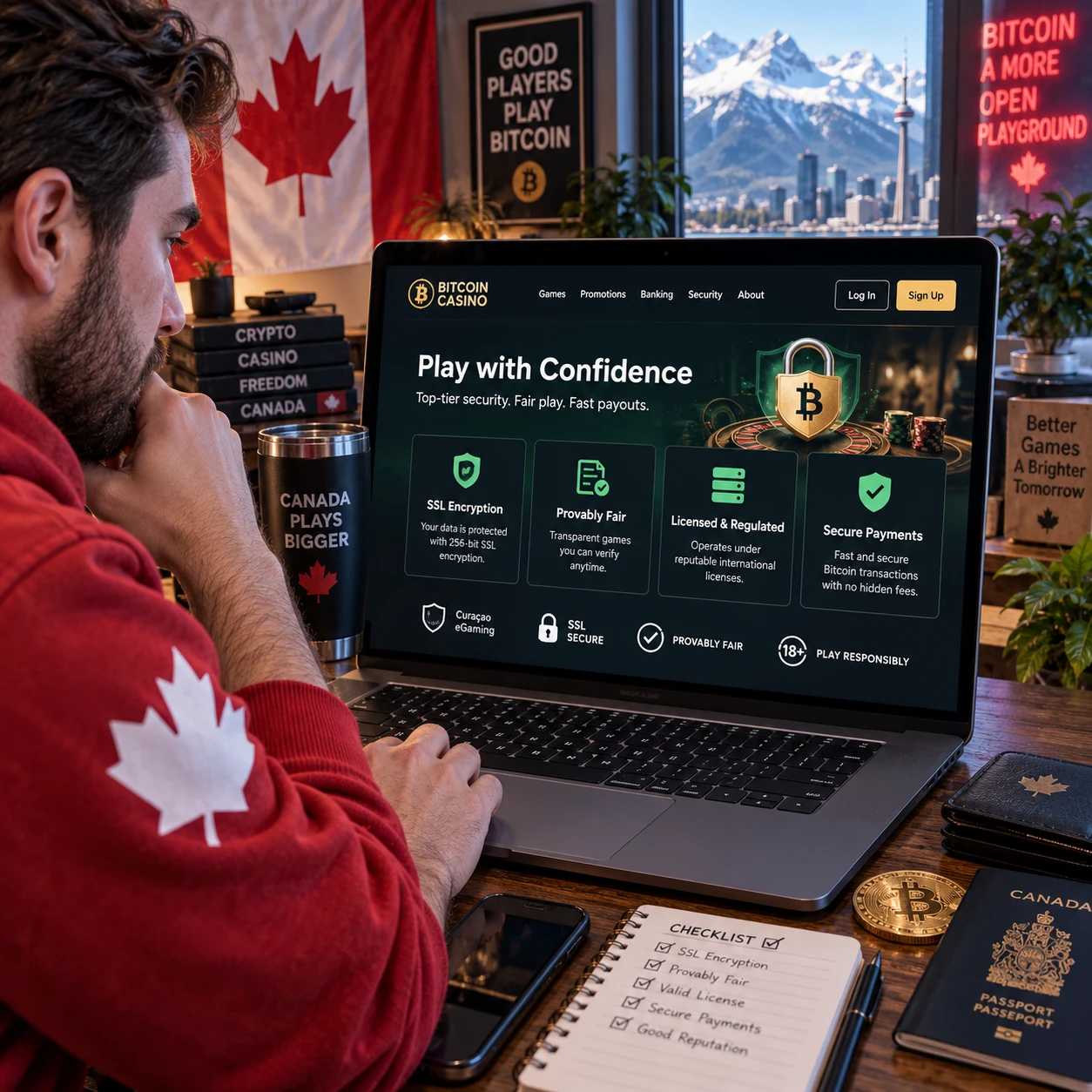
Crypto gambling has exploded across Canada these past few years, and 2026 looks like the biggest year yet for it. The appeal makes sense — near-instant deposits, lower transaction fees, and a kind of privacy traditional banking just can't offer. But growth like this brings a flood of new platforms along with it, and a lot of them operate in legal gray zones with barely any oversight. I've spent a good chunk of time digging through this space, and honestly, the gap between a trustworthy site and a risky one usually comes down to a handful of specific checks. Nothing mysterious. This guide walks you through exactly what to look for before you deposit a single satoshi.
What Is a Bitcoin Casino, and How Does It Work?
A Bitcoin casino is an online gambling platform that takes cryptocurrency — usually Bitcoin, but often Ethereum, Litecoin, or stablecoins too — for deposits, wagers, and withdrawals. Instead of routing your money through a bank or payment processor, the transaction happens right on the blockchain. Every deposit and payout ends up recorded on a public ledger. That's a layer of transparency you simply don't get from conventional casino software.
Bitcoin Casinos vs. Traditional Online Casinos
Speed is the biggest practical difference, full stop. Traditional online casinos in Canada can take anywhere from one to five business days to process a withdrawal, especially if you're going through e-transfer or a credit card. Bitcoin transactions, on the other hand, often clear in minutes — sometimes seconds, depending on how congested the network is at that moment. Fees tend to run lower too, since you're skipping the intermediary banks entirely.
Then there's the fairness side of things. Plenty of crypto casinos now use 'provably fair' algorithms and, more and more, smart contracts to show you that game outcomes aren't rigged. Traditional platforms lean on third-party audits (eCOGRA being the classic example) to vouch for fairness instead — which works, sure, but it means trusting an outside body rather than checking things yourself.
Why Licensing and Regulation Matter in Canada
Canada's gambling regulation is, to put it mildly, a patchwork. Ontario runs its own regulated market through iGaming Ontario, which holds operators to strict standards around fund protection, responsible gambling, and advertising conduct. Outside Ontario, most online casinos — crypto ones included — operate under offshore licenses from places like Malta Gaming Authority, Curaçao eGaming, or the Kahnawake Gaming Commission. That last one's actually based on Mohawk Territory within Canada, and it's got decades of experience regulating online gambling.
Playing on a licensed platform isn't just some legal formality. It's your main line of defense if things go sideways. Licensed operators have to segregate player funds, go through periodic audits, and offer dispute resolution channels. Skip that oversight, and you're basically handing a stranger your crypto wallet and hoping for the best.
Spotting Legitimate Licenses
Before you sign up anywhere, scroll down to the footer and look for a license number. Then — and this part matters — actually verify it. Most regulators, Kahnawake and Curaçao included, keep public registries where you can search by license number or operator name. If the number doesn't match, if it's expired, or the casino just claims to be 'licensed' without giving you anything you can verify, treat that as a serious red flag. Fake license badges show up on low-quality crypto gambling sites more often than you'd think.
How to Evaluate Security and Fairness
Beyond licensing, there are concrete technical safeguards every safe Bitcoin casino needs to have running. Look for SSL encryption on every page (that padlock icon in your browser bar is a quick visual check), cold wallet storage for the bulk of player funds, and two-factor authentication on logins and withdrawals alike. These aren't nice extras. They're baseline requirements for any platform handling real money — no exceptions.
Understanding Provably Fair Technology
Provably fair systems use cryptographic hash functions so you can independently verify a game's outcome wasn't messed with after the fact. Here's roughly how it works: the casino generates a server seed and hashes it before you place your bet, combines it with a client seed you control, and once the round's over, reveals the original seed so you can check the result against the hash. Sounds technical — and it kind of is — but most reputable crypto casinos tuck a simple verification tool right onto the game page. You don't need to code anything. You just click and check.
Key Features of a Trustworthy Bitcoin Casino
Once licensing and security hold up, here's what else separates a trustworthy operator from the rest:
- Transparent, easy-to-find terms and conditions — not buried in fine print
- Responsive customer support available through live chat, not just email
- Streamlined KYC processes that balance privacy with regulatory compliance
- Reasonable withdrawal limits with no excessive delays or hidden fees
- A solid reputation across independent forums, Reddit communities, and review sites
Responsible Gambling and Player Protection Resources
Any platform worth your time offers built-in responsible gambling tools: deposit limits, loss limits, time-based reality checks, self-exclusion options. These aren't just regulatory checkboxes tucked away somewhere — they're genuinely useful for keeping your play enjoyable and within your means, especially given how fast crypto transactions move compared to traditional banking rails.
If you're exploring crypto gambling for the first time — or if you've noticed your habits drifting into uncomfortable territory — it's worth connecting with established Canadian support networks before things escalate further. Organizations like the Interprovincial Association on Addictions and Compulsive Gambling offer education and prevention resources specifically relevant to anyone navigating a bitcoin casino or any other form of online wagering. They're a national resource, free to access, and genuinely helpful whether you're just curious or actively worried about your own gambling behavior.
Setting Personal Limits Before You Play
Before you ever make a deposit, decide on a strict budget you're fully comfortable losing — treat it like an entertainment expense, not an investment. Set a time limit for each session using your phone's timer if the platform doesn't give you a built-in reality check. Watch for early warning signs: chasing losses, gambling to escape stress, lying to friends or family about how much time or money you're actually spending. Catching these patterns early makes a real difference — more than people tend to expect.
Common Mistakes Canadian Players Should Avoid
I've watched the same mistakes play out across crypto gambling communities, again and again. Skipping license verification is probably the most common one — and the most costly. Right behind it, chasing massive welcome bonuses with wagering requirements set so high they're practically impossible to clear. Read the fine print before you claim anything, not after. Using unregulated or sketchy exchanges to fund your casino account is another trap, since it exposes you to potential fraud on two fronts instead of one. And don't put off researching a platform's withdrawal policies until after you've won — by then, it's too late to walk away easily.
Final Checklist Before You Deposit
Run through this quick list before committing real funds to any Bitcoin casino:
- Verified, active license number from a recognized regulator (Kahnawake, MGA, Curaçao, or provincial)
- SSL encryption, cold wallet storage, and two-factor authentication confirmed
- Provably fair verification tool available and functional
- Clear, accessible terms and conditions with no hidden withdrawal restrictions
- Responsible gambling tools (limits, self-exclusion, reality checks) built into the platform
- Consistent positive reputation across independent reviews and player communities
Choosing a safe, licensed Bitcoin casino in Canada doesn't come down to luck. It comes down to a bit of diligence upfront, nothing more exotic than that. Prioritize platforms that are upfront about licensing, security, and fairness over the ones chasing you with oversized bonuses and flashy promotions — those two things rarely go hand in hand. And if gambling ever starts feeling less like entertainment and more like a weight you're carrying, remember that Canadian support resources exist specifically to help, free of judgment and free of cost. Play smart, verify everything, and your crypto gambling experience in 2026 can stay exactly what it's supposed to be: fun.