Bitcoin Payments in 2026: How Canadian Online Casino Players Are Using Cryptocurrency for Faster, Safer Deposits and Withdrawals
Bitcoin Payments in 2026: How Canadian Online Casino Players Are Using Cryptocurrency for Faster, Safer Deposits and Withdrawals

Scroll through any Canadian online gambling forum right now and you'll notice something's changed. A few years back, Bitcoin was a sidebar conversation — something the tech-curious crowd tinkered with while everyone else stuck to their debit cards. Not anymore. In 2026, I'd argue it's basically the default for a huge chunk of Canadian casino players, and once you dig into why, it stops being surprising. Slow bank transfers, creeping fees on traditional processors, and a generation that's just... comfortable with crypto wallets now. Put those together and the shift makes itself.
I want to break down why Canadian gamblers are making this switch, how the deposit and withdrawal process actually plays out day-to-day, what the real benefits look like once you've used it a few times, and where the security traps tend to hide. If you've been eyeing crypto gambling but haven't pulled the trigger yet, this should give you a clear picture of where things actually stand this year — not the marketing version, the real one.
Why Canadian Players Are Turning to Bitcoin for Online Gambling
Canada's quietly turned into one of the more crypto-literate countries on the planet. Surveys over the past couple years keep showing the same thing: a large share of Canadians have either bought cryptocurrency themselves or know someone close who has. That familiarity doesn't stay contained to investment apps — it bleeds into everything else, including how people fund their online entertainment.
Part of this is also plain frustration with how things used to work. Canadian banks aren't exactly famous for speedy international transfers, and plenty of players have grown tired of staring at their account for two to five business days waiting for a withdrawal to land. Bitcoin skips that entirely. The network doesn't care about weekends, bank holidays, or whatever internal review queue your institution happens to be running that week.
There's a regulatory wrinkle worth mentioning too. Canada doesn't run a centralized licensing body for online casinos the way the UK does — so most Canadian players end up on offshore-licensed platforms by default. From what I've seen, Canadian authorities have taken a mostly tolerant, hands-off stance toward individuals using crypto for personal transactions, gambling included, as long as the platform itself holds a legitimate license somewhere.
The Shift from E-Wallets to Crypto Wallets
For years, Interac e-Transfer and services like Skrill or Neteller were just... the options. Reliable enough, sure. But they came with baggage: transaction caps, random 'security review' holds, and fees that nibbled away at winnings without anyone really noticing until the end.
Bitcoin wallets flip that script entirely. You control your own funds — nobody's deciding behind the scenes whether your withdrawal 'looks suspicious.' Transfers settle in minutes, not days. The catch? You're now responsible for guarding your own private keys. No safety net, no customer support line to bail you out. For a lot of players I've talked to, that trade still feels worth it.
How Bitcoin Deposits and Withdrawals Work at Online Casinos
The actual process is more approachable than people expect, even first-timers. Here's roughly how it goes:
- Set up a Bitcoin wallet — either a mobile app wallet or a hardware wallet for larger amounts.
- Purchase BTC through a regulated Canadian exchange such as Bitbuy, Shakepay, or NDAX.
- Transfer the Bitcoin from your personal wallet to the unique deposit address generated by your chosen casino.
- Play your games, and when you're ready to cash out, request a withdrawal back to your personal wallet address.
That's genuinely it. No bank forms, no waiting on approval emails, no uploading a photo of your utility bill just to move fifty bucks.
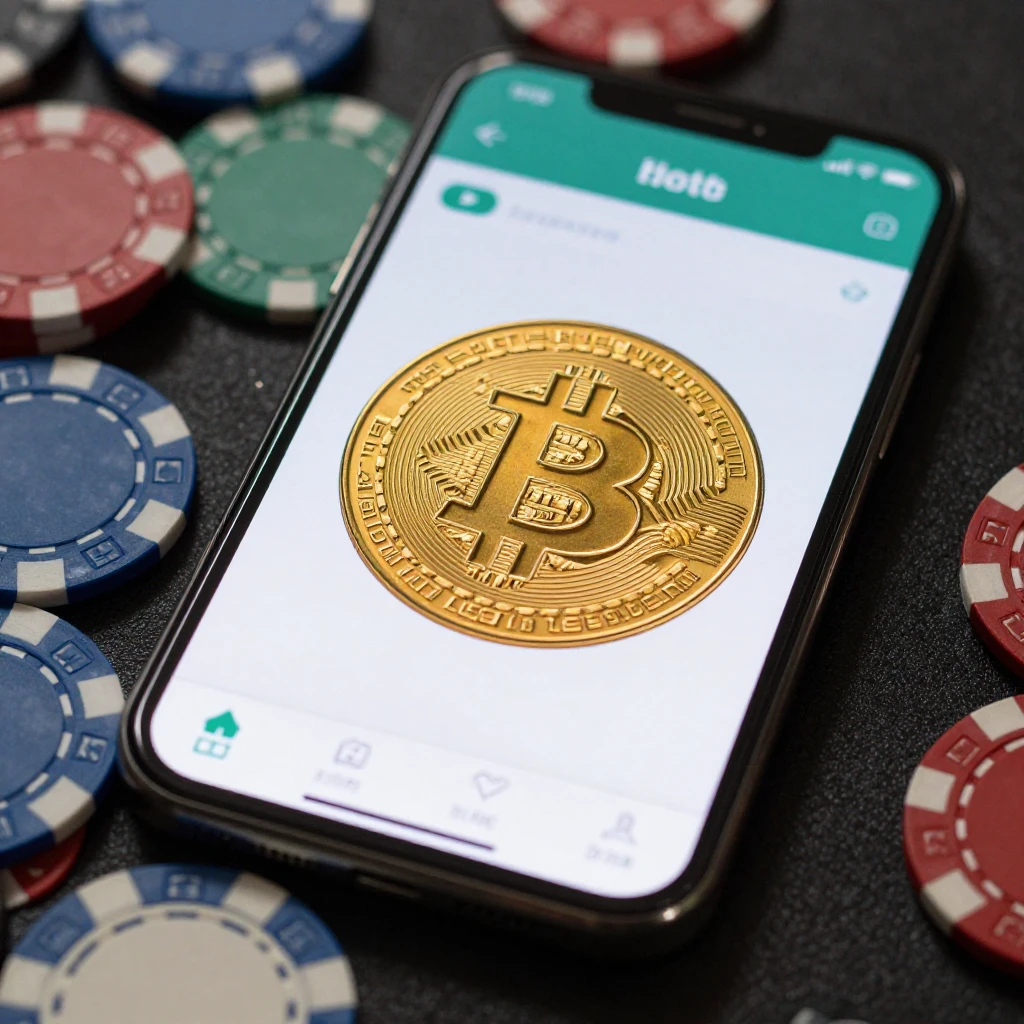
Typical Processing Times Compared to Fiat Methods
This is where the gap really shows itself. A standard Interac e-Transfer deposit might clear instantly — deposits are usually the easy part. But a withdrawal back to your bank account? Anywhere from one to five business days, depending on the casino's internal verification queue. Credit card withdrawals can drag out even longer, sometimes past a week.
Bitcoin withdrawals, on the other hand, tend to process same-day. The blockchain confirmation itself usually takes somewhere between ten minutes and an hour, give or take network congestion. Some platforms even batch confirmations so your funds show as available almost right after that first confirmation hits.
Key Benefits of Using Bitcoin at Canadian Casinos
Speed's the headline act here, but it's not the whole show. Transaction fees on Bitcoin transfers are typically a fraction of what you'd pay through a credit card processor — especially noticeable on larger amounts. Privacy's another real draw. You're not handing over banking details or watching your gambling activity show up on a checking account statement for anyone else to see.
Plenty of platforms sweeten things further with crypto-exclusive bonuses, bigger deposit matches, or lower minimum withdrawal thresholds for players using Bitcoin over fiat. Makes sense from the casino's side too — crypto transactions cost them less to process.
Reputable platforms like online casino bitcoin have built their payment systems specifically around fast, secure crypto transactions, which gives Canadian players a practical, real-world example of this trend in action. Rather than bolting Bitcoin onto an existing fiat-first system as an afterthought, platforms like this design their deposit and withdrawal infrastructure with crypto treated as a core feature — not something tacked on at the end.
Safety and Security Considerations
Blockchain's transparent ledger actually works in players' favor here, and I think this gets undersold. Every transaction is recorded publicly, which makes it far harder for a casino to quietly fumble — or 'lose' — a payment compared to opaque traditional banking rails. That said, Bitcoin isn't automatically risk-free. Wallet security sits entirely on you. Lose your private key, or fall for a phishing email, and there's no customer service line waiting to issue a refund.
Enable two-factor authentication wherever it's offered. Avoid clicking links from unsolicited emails claiming to be from an exchange or casino — even the convincing-looking ones. And double-check wallet addresses before confirming any transfer. Takes two extra seconds. Saves you from a mistake you can't undo.
Choosing a Licensed Crypto-Friendly Casino
Not every site that accepts Bitcoin deserves your trust — not even close. Look for platforms licensed under recognized jurisdictions like Malta, Curaçao, or the Isle of Man. Check whether the casino offers provably fair game verification, which lets you independently confirm outcomes aren't rigged behind the curtain. And transparent withdrawal policies — clearly stated limits, timeframes, fees, no vague fine print — are a strong signal you're dealing with a legitimate operator rather than some unregulated shell site that showed up last month.
Common Mistakes Canadian Crypto Gamblers Should Avoid
A few recurring errors trip up even players who've been doing this a while:
- Ignoring network fees during periods of high Bitcoin congestion, which can unexpectedly inflate the cost of a transfer.
- Using exchanges with thin liquidity, leading to poor conversion rates when buying or selling BTC.
- Forgetting that cryptocurrency gains may carry tax implications in Canada — the CRA treats crypto as a commodity, and gambling-related crypto transactions can trigger reporting obligations depending on your situation.
- Depositing a large sum before checking the casino's maximum withdrawal limits, only to discover winnings get paid out in frustrating installments.
That last one's more common than you'd think. I've seen players deposit big, win big, and then realize the payout's getting split across three separate withdrawals over two weeks. Avoidable, if you just read the terms first.
The Future of Bitcoin Payments in Canadian Online Gambling
Looking at the rest of 2026, a few trends seem likely to pick up pace. Lightning Network adoption is slowly spreading among casinos looking to offer near-instant microtransactions with next-to-nothing fees — which could make small, frequent deposits a lot more practical than they are right now. Altcoins like Ethereum and various stablecoins are also gaining ground as secondary options, giving players more flexibility beyond Bitcoin alone.
On the regulatory front, Canada seems to be edging toward clearer — though probably stricter — guidelines around crypto transactions in general. I think that's a net positive for players long-term. Clearer rules tend to push legitimate platforms to tighten up security and transparency even further, rather than coast on ambiguity.
Bitcoin's earned its spot as a preferred payment method for Canadian online casino players in 2026, and honestly, it's easy to get why once you've experienced a same-day withdrawal and a fraction of the usual fees firsthand. The mix of speed, privacy, and actually controlling your own funds is hard to beat against older banking rails. If you're thinking about making the switch yourself, take the time to pick a licensed, crypto-friendly platform with transparent policies first. That one decision tends to be what separates 'convenient' from 'actually enjoyable.'