How Canadian Online Gamblers Can Protect Their Mental Health in 2026: Spotting Neurological Warning Signs and Picking Safer Platforms
How Canadian Online Gamblers Can Protect Their Mental Health in 2026: Spotting the Neurological Warning Signs and Picking Safer Platforms
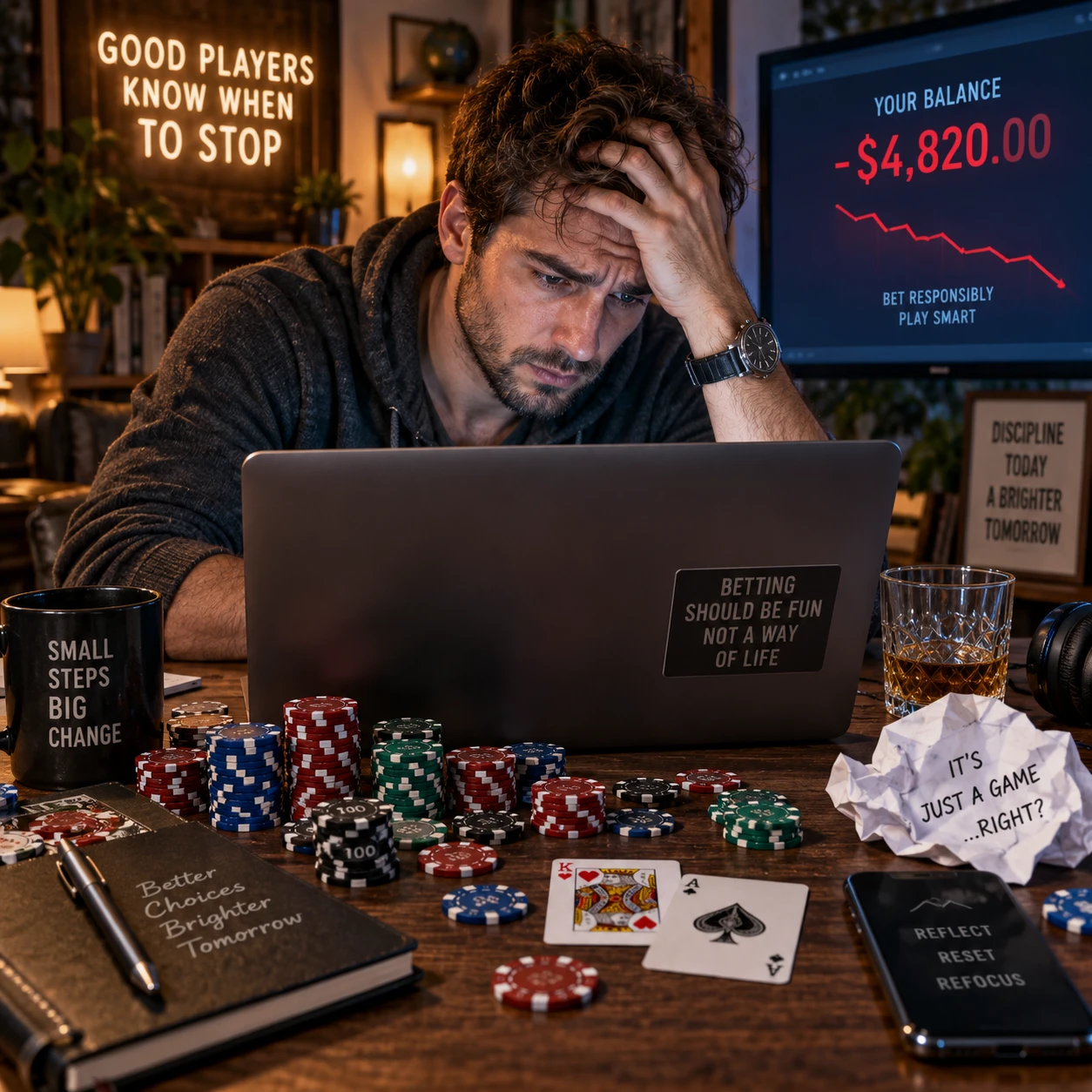
Online gambling has exploded across Canada over the past few years, and crypto-based platforms are a huge part of why. Walk into almost any conversation about weekend plans and someone will mention a new bitcoin casino app they just tried. Fast. Anonymous-feeling. Everywhere. That's the pitch, anyway.
But alongside this growth, I keep noticing people quietly struggling. Not just with their wallets — with their mental state too. The flashing lights, the endless spin button... none of that is addictive by accident. It's built that way, on purpose. Figuring out what's actually happening in your brain when you gamble, and learning to pick platforms that aren't working against your wellbeing, matters more than most Canadians realize.
Understanding Gambling Addiction as a Neurological Condition
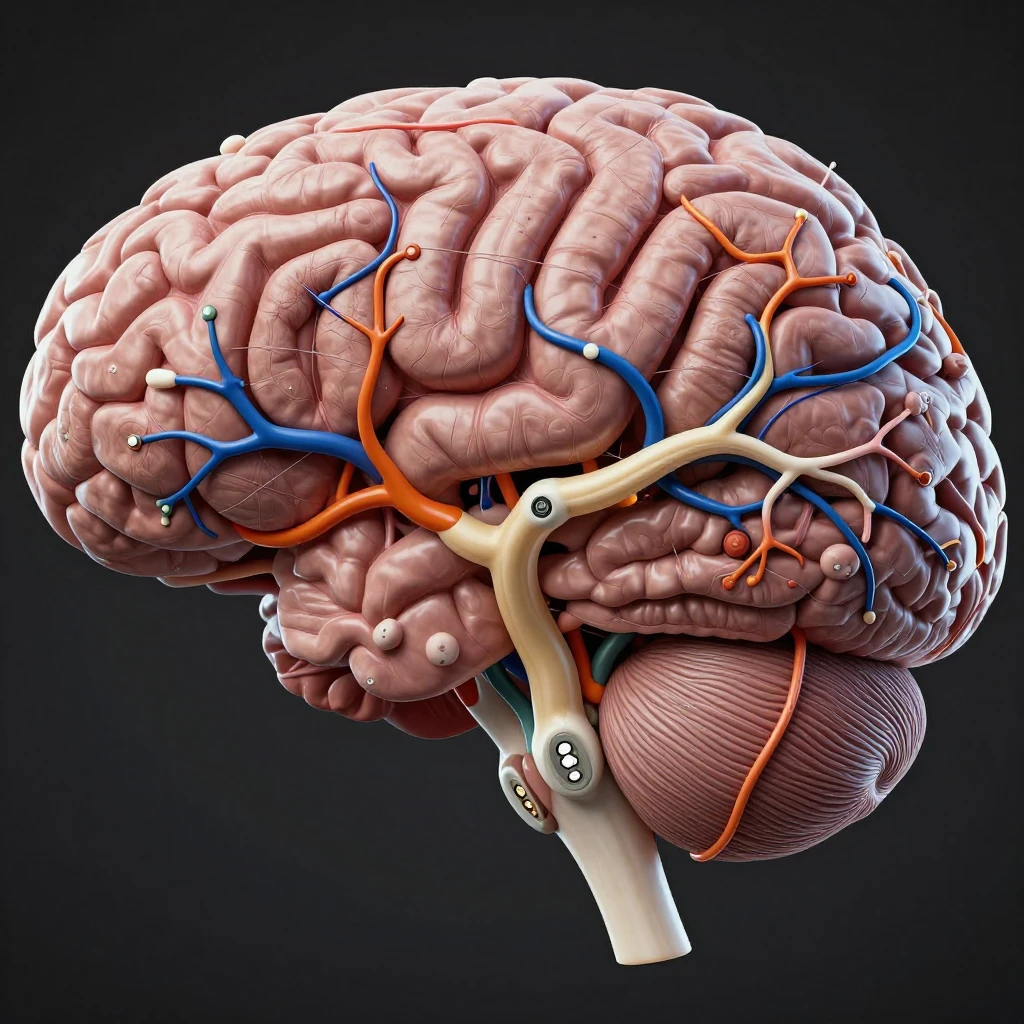
For years, problem gambling got written off as a lack of self-control. That framing never really held up, and research has moved past it. Compulsive gambling now gets treated much like substance addiction — a condition rooted in how dopamine pathways and reward circuits get hijacked. Every bet fires off a dopamine release, and over time the brain starts craving that spike regardless of whether you actually win.
It's not a character flaw. It's neurochemistry doing exactly what it was wired to do.
How the Brain Responds to Risk and Reward
Here's something that still catches people off guard: near-misses light up the brain almost as much as real wins do. Online slots and crypto betting apps lean on this constantly. A spin that lands one symbol short of jackpot feels like 'almost,' and that near-miss sensation is exactly what keeps players pulling the trigger again. And again.
Intermittent reward schedules — wins that land unpredictably — are more addictive than consistent payouts. Platforms know this. So the randomness you see isn't just mathematical fairness at work. It's psychological engineering, dressed up as chance.
Why Canadians Are Particularly Vulnerable
There's a Canada-specific wrinkle here too. Long, dark winters push people indoors, which means more screen time and less actual human contact. Add 24/7 access to platforms that never close, plus a younger generation that treats crypto gambling as normal rather than risky, and you've got a bit of a perfect storm.
I've talked with people in smaller towns across Ontario and Alberta who said isolation during the winter months was the real reason they started gambling heavily. Not financial desperation — just boredom and loneliness colliding with an app that's one tap away.
Recognizing Early Neurological and Behavioral Signs
Catching problem gambling early means paying attention to subtle shifts in how your brain and body are functioning. Not just how much money is disappearing from your account.
Cognitive Red Flags
Memory lapses around how much time you've actually spent gambling, trouble focusing on work or conversations, obsessive thoughts about the next bet — these are all cognitive warning signs worth taking seriously. Decision-making tends to slip too. People start making impulsive choices in totally unrelated parts of life, from spending to relationships, almost without noticing it's happening.
And if you find yourself mentally replaying a betting session hours later? That's worth noticing. Really worth noticing.
Emotional and Physical Symptoms
Anxiety, irritability when you're not gambling, disrupted sleep, even physical tension like jaw clenching or restlessness — these often show up alongside compulsive patterns. They mirror withdrawal-like states seen in other addictions, which makes sense once you think about what's happening with dopamine in the brain.
If a gambling session leaves you more wired or more depleted than relaxed, your nervous system is trying to tell you something. Worth listening to it.
The Link Between Platform Design and Mental Health Risk
Not all gambling platforms are built the same, and the design choices behind them matter more than most people assume. Fast-paced betting loops, autoplay features that keep spins running without you lifting a finger, frictionless deposit systems — all of it engineered to maximize time-on-site rather than player wellbeing.
Withdrawals, meanwhile, are often deliberately slower or more complicated. That asymmetry isn't an accident, and it was never going to be. It's a business model built on keeping you engaged as long as possible, often at the direct expense of your mental health.
Choosing Safer Platforms — What to Look For
Not every bitcoin casino operates the same way, and that distinction matters a lot more than the marketing wants you to think. Transparent platforms with provable fairness mechanisms, clear licensing, and visible responsible gambling tools cause less psychological harm than opaque, high-pressure sites built purely for extraction.
If you're trying to figure out whether a platform is genuinely safe or just marketed that way, it helps to understand the cognitive science behind addictive behavior patterns first. Resources like bitcoin casino dig into neurological research relevant to compulsive behaviors, which gives players useful context before committing time or money to any platform.
Key Features of a Responsible Bitcoin Casino
- Deposit and loss limits that you can set and that the platform actually respects
- Self-exclusion tools that work across the entire site, not just one game
- Session time reminders that pop up without being easily dismissed permanently
- Transparent RNG certification or blockchain-based fairness verification
- Clear, accessible links to Canadian responsible gambling resources
Practical Steps for Protecting Your Mental Health
Protecting yourself doesn't mean quitting gambling entirely for most people. It means structure. Set hard time and budget limits before you log in, not after — once you're already spinning, that resolve tends to evaporate fast, every time.
Use Canadian support services like ConnexOntario or your province's responsible gambling program the moment you notice early warning signs creeping in. Take scheduled breaks every session, even short ones, just to interrupt the dopamine loop. And if cognitive or emotional symptoms stick around, talking to a healthcare professional isn't an overreaction. It's exactly the right move, and probably overdue.
Common Mistakes Canadian Gamblers Make
Chasing losses is probably the most common and most damaging pattern I see, over and over. Convincing yourself that one more bet will fix things rarely works that way, neurologically speaking — it almost never does. Ignoring early cognitive symptoms, telling yourself the sleep issues or the irritability are 'just stress,' only delays getting help you probably need.
Choosing unregulated platforms purely for flashy sign-up bonuses often means giving up the exact safety features meant to protect your mental health. And underestimating just how deliberately addictive crypto-based apps are designed to be? That's a mistake nearly everyone makes at least once.
Where This Leaves You
Recognizing the neurological signs of gambling addiction early gives you a real shot at protecting your mental health before things spiral. Platform choice isn't some minor detail you can skip past. It genuinely shapes how much psychological harm you're exposed to over time.
As Canadian players navigate the growing world of crypto gambling in 2026, prioritizing transparency, proper regulation, and honest self-awareness isn't just smart advice. It's the difference between entertainment and harm.