How Canadians Are Using Bitcoin to Gamble Online in 2026: A Complete Guide to Choosing a Safe and Reputable Bitcoin Casino
How Canadians Are Using Bitcoin to Gamble Online in 2026: A Complete Guide to Choosing a Safe and Reputable Bitcoin Casino
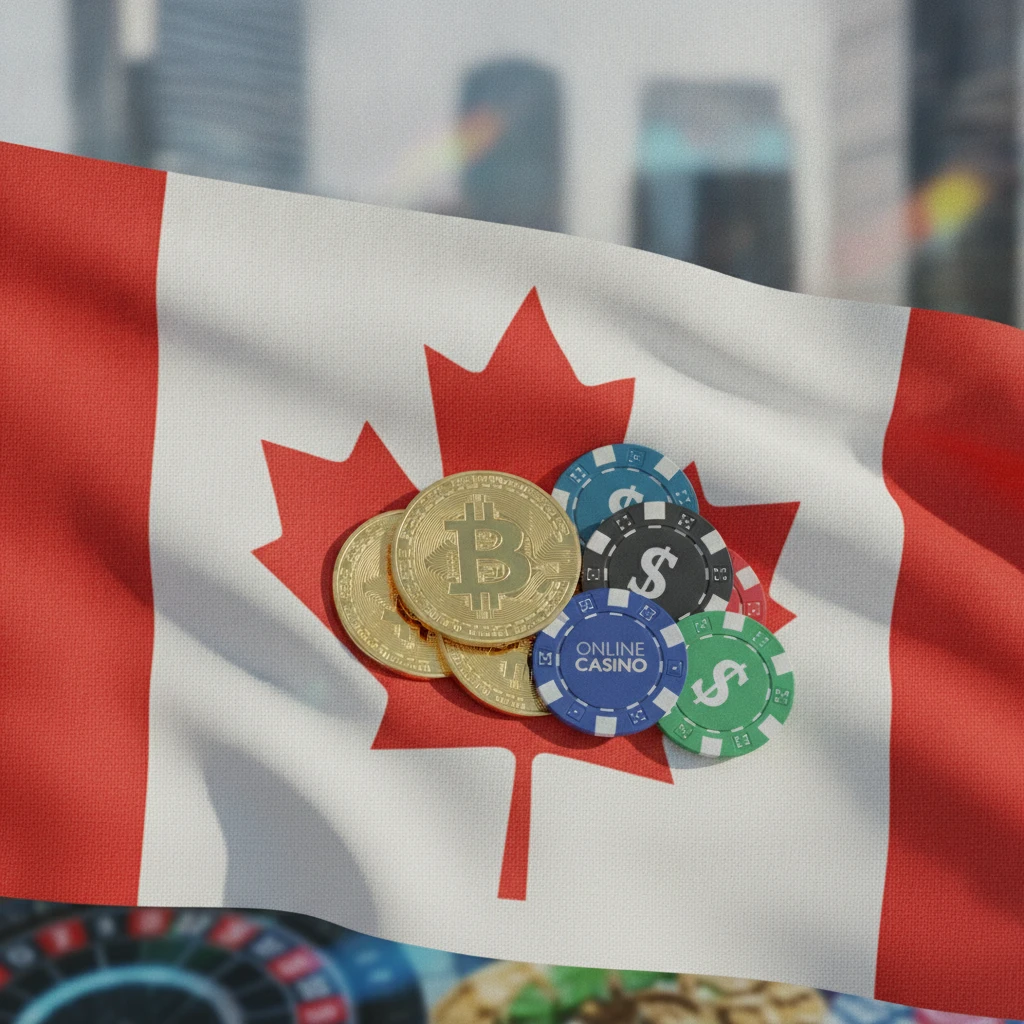
Spend five minutes in any conversation about online gambling in Canada right now, and Bitcoin comes up. I've watched this shift happen slowly, almost without anyone announcing it — friends who used to complain about slow bank transfers and clunky currency conversions are now funding their casino accounts straight from a crypto wallet. By 2026, Bitcoin gambling isn't some niche hobby for tech-heads anymore. It's a mainstream pick for Canadian players who want speed, privacy, and fewer fees eating into their bankroll.
But growth like this comes with a catch. Not every site slapping 'crypto casino' on its homepage actually deserves your trust — and figuring out which ones do, that's the whole point of this guide.
Why Canadian Gamblers Are Turning to Bitcoin in 2026
The appeal isn't complicated once you break it down. Traditional online casinos serving Canada tend to sit in a strange legal gray zone, licensed offshore rather than regulated province by province. That ambiguity pushed a lot of players toward platforms that felt upfront about where they stood legally — and plenty of crypto casinos fit that description, being transparent about licensing from day one.
At the same time, crypto adoption across Canada hasn't slowed down. More people already hold Bitcoin or Ethereum as an investment, so using it to gamble feels like a small step sideways rather than some big leap. Add in the demand for anonymity (nobody loves 'online casino' showing up on a bank statement, I think we can agree on that) plus near-instant transactions, and you've got a pretty solid case for why so many players made the switch.
The Legal Landscape for Crypto Gambling in Canada
Here's where it gets a little tangled. Canada has no unified federal framework for online gambling — it's mostly left to the provinces to sort out. Ontario runs its own regulated market, but most other provinces just leave residents to use offshore-licensed sites. Technically legal for players, even if the operators themselves aren't licensed domestically.
Bitcoin casinos typically run under licenses from jurisdictions like Curaçao or Malta, which lets them serve Canadian players without needing provincial approval. Not really a loophole. It's just how the system works right now. The key thing to remember in 2026: as a player, you're not breaking any laws by gambling with crypto. But you absolutely need to confirm the platform itself holds a legitimate international license before depositing a single satoshi.
What Makes a Bitcoin Casino Different From Traditional Online Casinos
A Bitcoin casino, stripped down to basics, is an online gambling platform that accepts cryptocurrency as its primary — sometimes only — currency. Instead of linking a bank account or credit card, you connect a crypto wallet and fund your account with digital assets. That one change affects more than just how you pay. It reshapes the entire backend of how the casino operates.
Blockchain transactions settle fast and skip the middleman banks entirely, so withdrawals that might take three to five business days at a conventional site often clear in minutes or hours on a crypto platform. Fast. Really fast, in most cases. Transaction fees run lower too, since there's no currency conversion or card processing fee quietly nibbling at your payout.
Provably Fair Technology Explained
One of the genuinely useful things to come out of crypto gambling is provably fair technology. In plain terms, it lets players independently verify that game outcomes weren't rigged. Each bet generates a cryptographic hash before the result shows up, and afterward you can check that hash against the actual outcome to confirm nothing got tampered with.
That's a real upgrade over traditional RNG (random number generator) systems, where you're basically trusting the casino's word that the software plays fair. With provably fair systems, the math does the talking instead. It's not a guarantee every operator is honest — nothing is, really — but it hands players a tool to hold platforms accountable in a way that just wasn't available before.
Key Benefits of Gambling With Bitcoin as a Canadian Player
There's a reason so many Canadians made the switch, and it comes down to a handful of concrete advantages:
- Faster deposits and withdrawals — crypto transactions often settle in minutes rather than days
- Enhanced privacy — no need to share banking details tied to your real-world identity
- Lower transaction fees — fewer intermediaries means less money lost to processing costs
- Access to global platforms — crypto removes borders, opening up a wider range of licensed operators
- Crypto-exclusive bonuses — many sites offer better promotions for Bitcoin deposits than fiat ones
- No currency conversion costs — skip the CAD-to-USD exchange fees that traditional casinos often tack on
For players who've gotten sick of watching a chunk of their deposit vanish into conversion fees, that last point alone is often enough to make the switch worthwhile.
How to Choose a Safe and Reputable Bitcoin Casino
This is the part that actually matters most. Plenty of flashy-looking sites popped up over the past year chasing the crypto gambling trend, and not all of them were built with players' interests in mind. Here's the checklist I'd personally walk through before trusting any platform with my own funds:
- Verify the license — check that the casino holds a recognized international gaming license and that the license number is verifiable on the regulator's website
- Look for security protocols — SSL encryption on the site and cold storage for a majority of user funds are non-negotiable
- Read the terms carefully — transparent wagering requirements, withdrawal limits, and bonus conditions should be clearly stated, not buried in fine print
- Test customer support — a reputable site will have responsive, knowledgeable support available through multiple channels
- Check independent reviews — look beyond the testimonials on the casino's own homepage and search for player experiences on forums and review sites
If you want a solid frame of reference for what this looks like done right, it's worth browsing a platform like bitcoin casino to see how licensing info, fair-game certifications, and secure crypto transaction processes should actually be presented. Using an established example as a benchmark makes it a lot easier to spot the difference when you're comparing other sites that might be cutting corners.
Red Flags to Watch Out For
A few warning signs should make you close the tab immediately. Unlicensed operators — or ones vague about which jurisdiction licensed them — are an obvious one. So are sites with unclear or constantly shifting withdrawal policies, since that's often a sign they're trying to delay or dodge paying out winnings altogether.
Also watch for a lack of accessible customer support. If you can't find a live chat or get an email response within a reasonable time while you're testing, that tells you something. And suspiciously uniform five-star reviews that read like the same person wrote all of them? Trust your gut here. If something feels off, it probably is.
Popular Cryptocurrencies and Payment Methods Used by Canadian Players
Bitcoin stays the most widely accepted option, but Canadian players in 2026 have plenty of alternatives on the table. Ethereum is popular for its faster confirmation times, Litecoin appeals to those chasing lower network fees, and stablecoins like USDT or USDC have picked up traction for players who want to dodge price volatility between the moment they deposit and the moment they cash out.
Most Canadians pick up their crypto through local exchanges — Bitbuy, NDAX, Shakepay, that kind of thing — converting CAD into their chosen cryptocurrency before moving it over to their casino wallet. Pretty straightforward process overall. Still, it's worth factoring exchange fees into your budget, since they add up fast if you're making frequent small deposits.
Responsible Gambling Tips for Crypto Casino Players
The speed and ease of crypto transactions cuts both ways. Convenient, sure, but it also strips away some of the natural friction that normally makes people pause before depositing more. That's exactly why responsible gambling habits matter even more in this space.
Set deposit limits before you start playing — not after a losing streak has you chasing losses. Most reputable Bitcoin casinos offer self-exclusion tools, so use them the moment you notice your gambling habits drifting somewhere unhealthy. Canadian players also have access to provincial responsible gambling programs, like ConnexOntario or the Responsible Gambling Council, which offer free support no matter which platform you're using.
Frequently Asked Questions
Is Bitcoin gambling legal in Canada? Yes — for players, it's legal to gamble using cryptocurrency on offshore-licensed platforms, since most provinces don't prohibit residents from accessing international sites.
How do I cash out my winnings? Withdrawals typically go straight to your crypto wallet address, often processing within minutes to a few hours depending on the platform and how congested the blockchain network happens to be.
Are there taxes on crypto gambling wins? Generally, gambling winnings aren't taxed for recreational Canadian players, but talk to a tax professional anyway — crypto-to-fiat conversions can trigger separate tax considerations that are easy to miss.
What's the minimum deposit at a Bitcoin casino? Varies by platform, but a lot of sites accept deposits as small as $10-20 CAD equivalent in crypto, which makes it accessible for casual players and high rollers alike.
Bitcoin gambling has carved out a permanent spot in Canada's online casino scene, and honestly, it's easy to see why so many players made the switch in 2026. Speed, privacy, lower fees — that combination solves real frustrations that fiat-based platforms never quite got around to fixing. But none of those benefits matter one bit if you're playing on an unlicensed, shady operator.
Take the time to verify licensing. Read the fine print, even the boring parts. And lean on trusted examples when you're comparing platforms — your bankroll, and honestly your peace of mind, will thank you for it.